Volunteer Pathway
Help create welcoming, low-pressure spaces for connection.
Event Hosting roles support MNeurodivergent social events, community outings, meetups, and other opportunities for neurodivergent adults to connect in ways that feel comfortable, flexible, and real.
What this path is
Event Hosting is about creating the conditions for connection.
You are not expected to be perfect, highly extroverted, or “on” the entire time. Event Hosting is about helping an event feel welcoming, understandable, and supported so attendees can participate at their own pace.
Welcoming
Help attendees know they are in the right place and that they are welcome as they are.
Flexible
Support events that can adapt to people’s energy, communication styles, and sensory needs.
Low-pressure
Create spaces where people can connect without forced icebreakers, performance, or social pressure.
Role differences
Quick comparison: Event Organizer vs. Event Co-Host
Both roles help create welcoming events, but they differ in how much planning, responsibility, and time commitment they involve.
Not sure where to start? Most people can begin as a Co-Host and move into organizing later if it feels like a good fit.
What it feels like
Supportive, human, and not overly scripted.
You might enjoy this if...
- You care about reducing isolation
- You like helping people feel less alone
- You can communicate reliably
- You want to build community over time
- You are comfortable with some social interaction
This may not be ideal if...
- You want a role with no attendee interaction
- You cannot reliably show up for scheduled events
- You need highly scripted tasks with no ambiguity
- You do not want to communicate with other volunteers
Photos and videos
What event hosting actually looks like
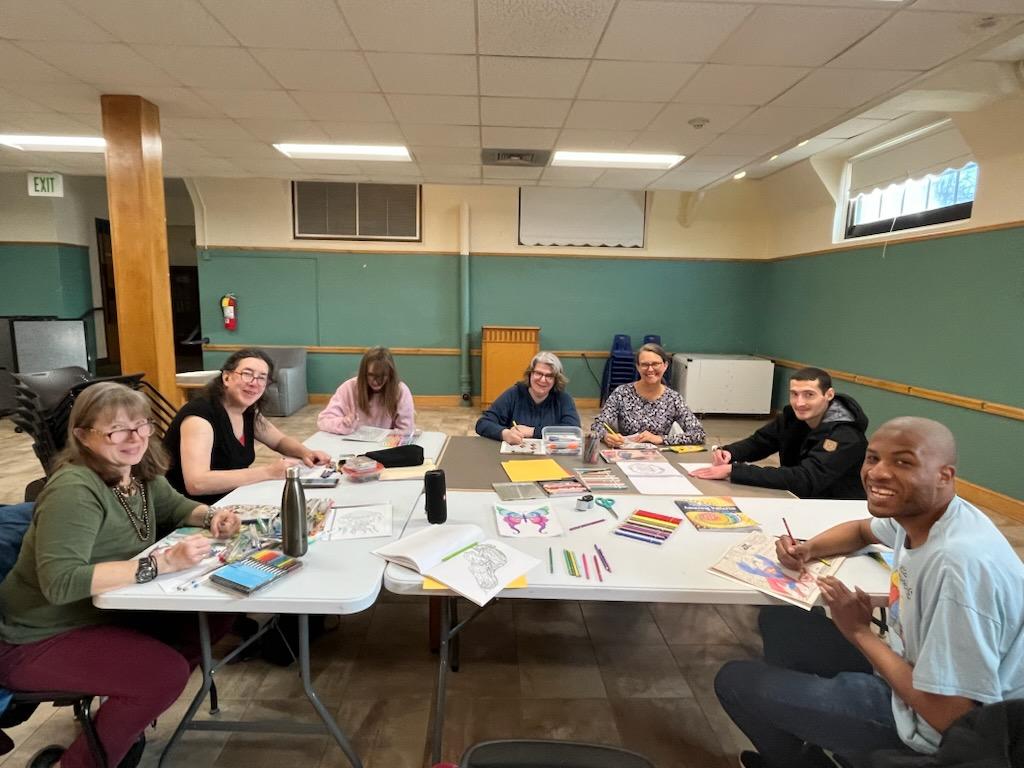
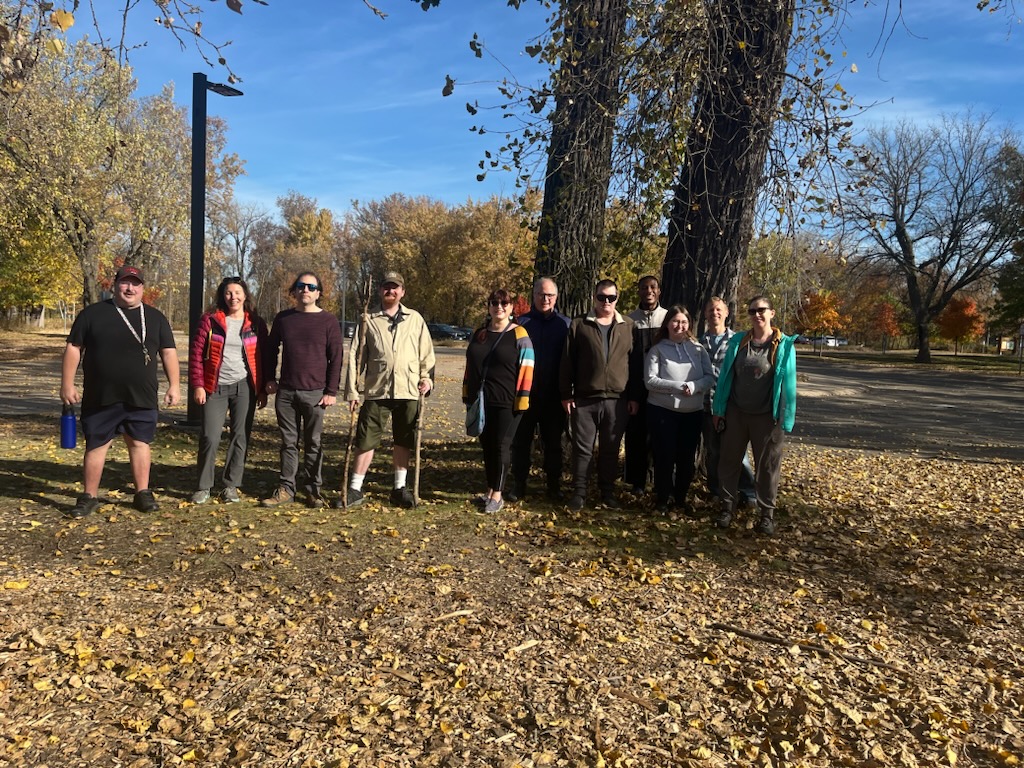
These are real examples of MNeurodivergent events — not staged or scripted. They show the tone, pacing, and types of environments you may be helping support.
Example: Casual Social Event
A relaxed, low-pressure outing where people can interact at their own pace.
Different event styles
Structured events: Speed Friending
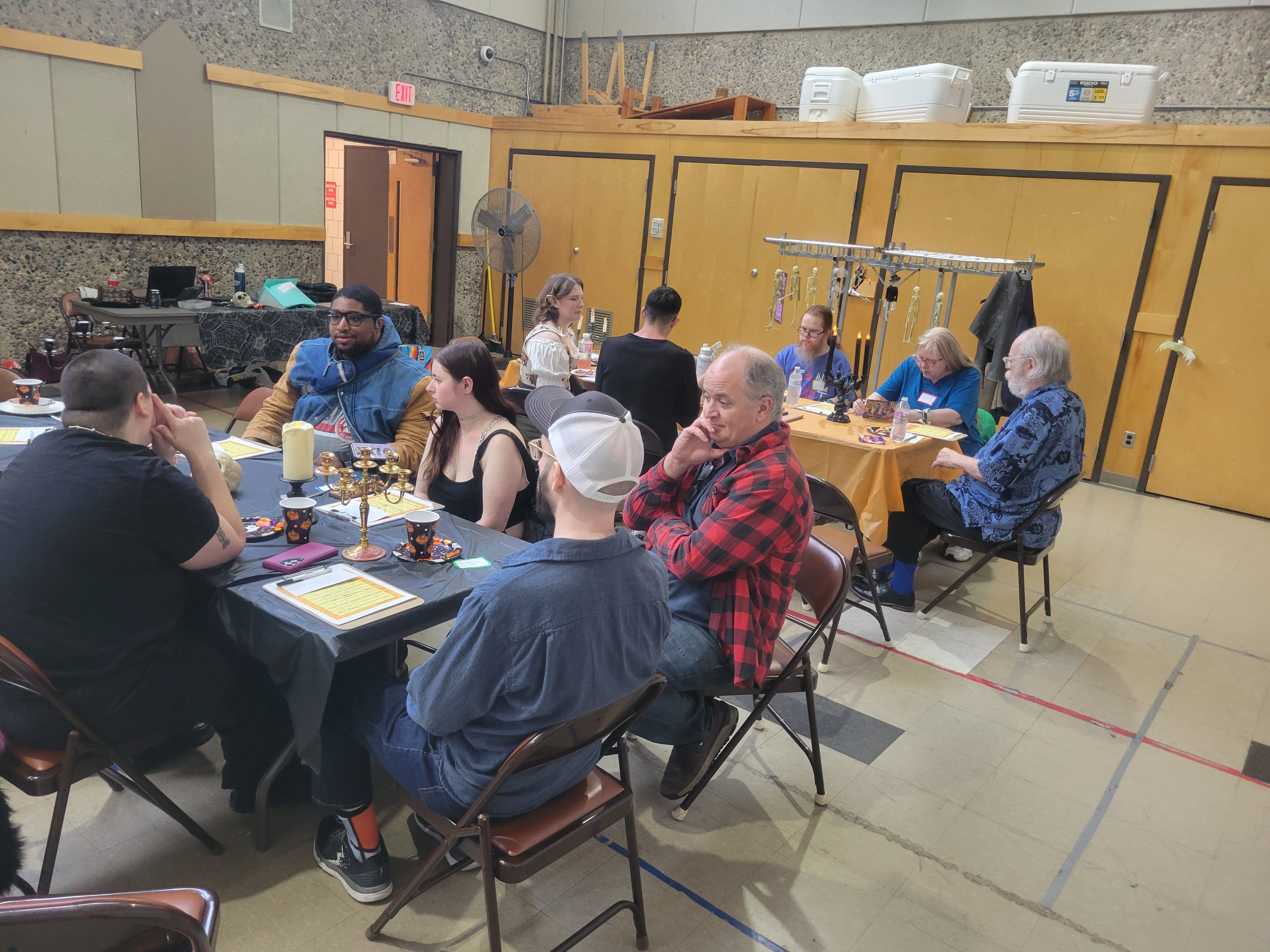
Some events are more structured to make social interaction easier and more predictable. Speed friending gives people clear prompts, time limits, and built-in conversation flow, reducing the pressure of “what do I say?”.
Speed Friending: Example 1
A structured interaction format that helps people connect without needing to initiate or carry conversations alone.
Speed Friending: Example 2
Clear prompts, time limits, and predictable flow can make social interaction feel more approachable.
Speed Friending: Example 3
Structured events can support people who want connection but benefit from a clearer social format.
Training and support
You will not be expected to figure everything out alone.
Clear expectations
We provide guidance on what hosts do, what they are not expected to do, and how to ask for help.
Volunteer support
Organizers, co-hosts, coordinators, and committees can work together so one person is not carrying everything.
Room to grow
You can start in a supporting role and grow into organizing later if that becomes a good fit.
Ready to explore?
Find an event hosting role that fits your comfort level.
You can apply for a lead role, start as a co-host, or browse open volunteer opportunities near you.